
- Case -
Organic Denmark and Bio Aus Dänemark
Biofach 2026 in Nuremberg
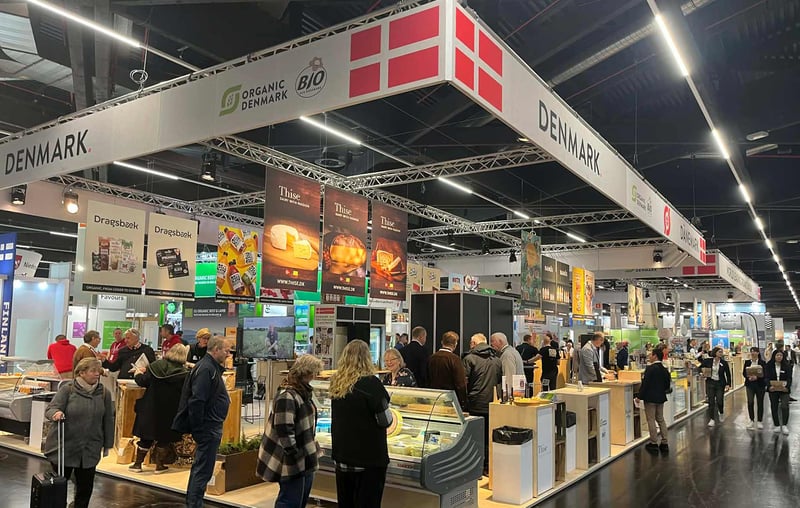
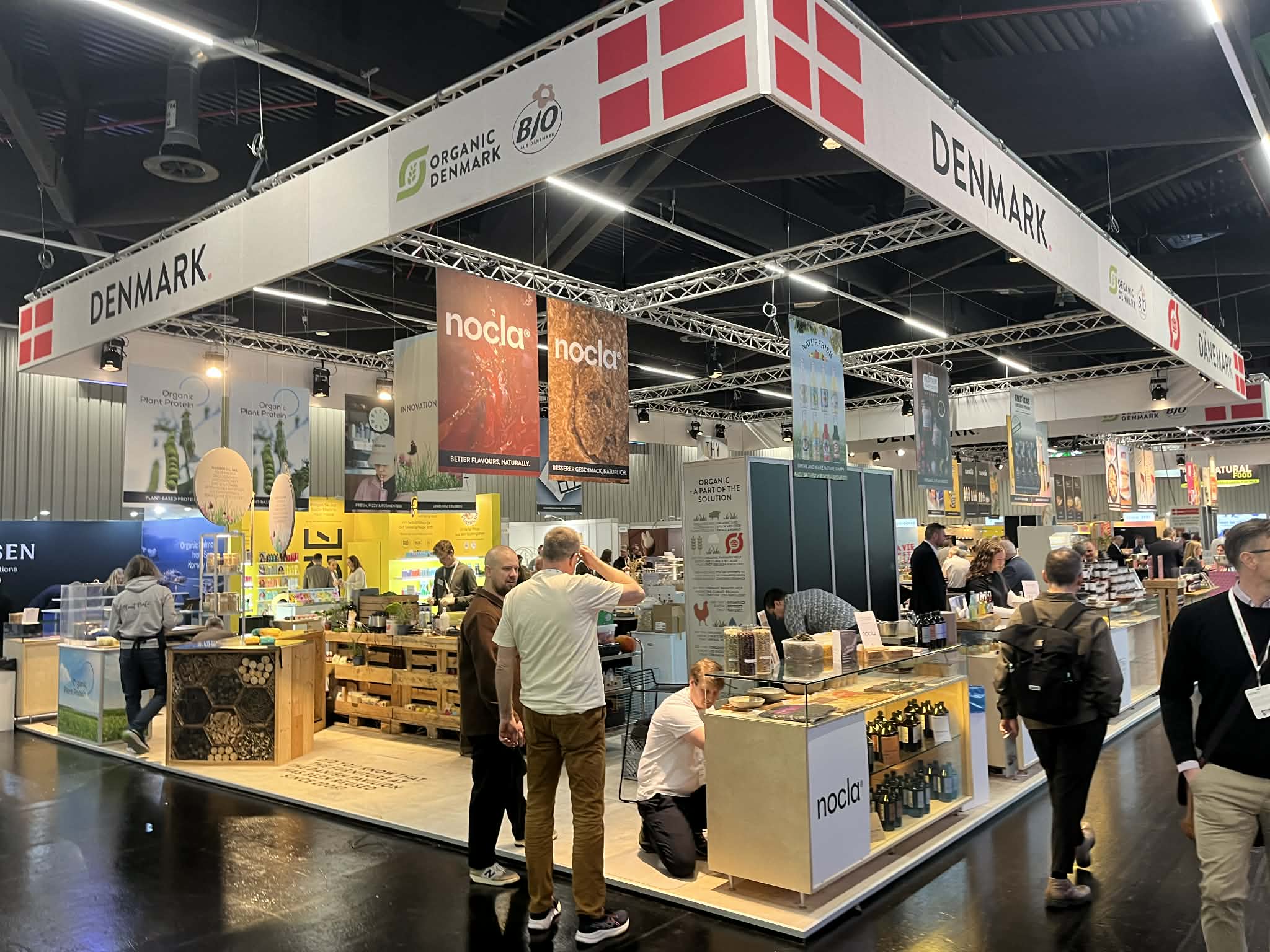
The Danish Joint Pavilion at Biofach
Danish organic production presented through materials and space.
The Danish joint pavilion at Biofach serves two key purposes to promote export opportunities for Danish organic companies and to position Denmark as a frontrunner in organic production.
Økologisk Landsforening and Bio Aus Dänemark are behind the pavilion as one unified sender. Rather than highlighting individual actors, Danish organic production is presented as a collective model in which collaboration and documented practice form part of the value.
The pavilion functions as a cohesive presentation of Danish organic production rather than a traditional exhibition stand. It creates concrete business meetings while communicating a clear national narrative.
Show it – don’t tell it
Biofach is the world’s largest trade fair for organic food, and here values must be experienced — not merely described.
The pavilion has therefore been developed as a tangible translation of the organic mindset. Materials, construction and lifespan carry the narrative rather than visual campaigns.
Community at the centre - individuality towards the aisle
The pavilion is organised around a central aisle with a shared area in the middle, where meetings and dialogue take place across companies.
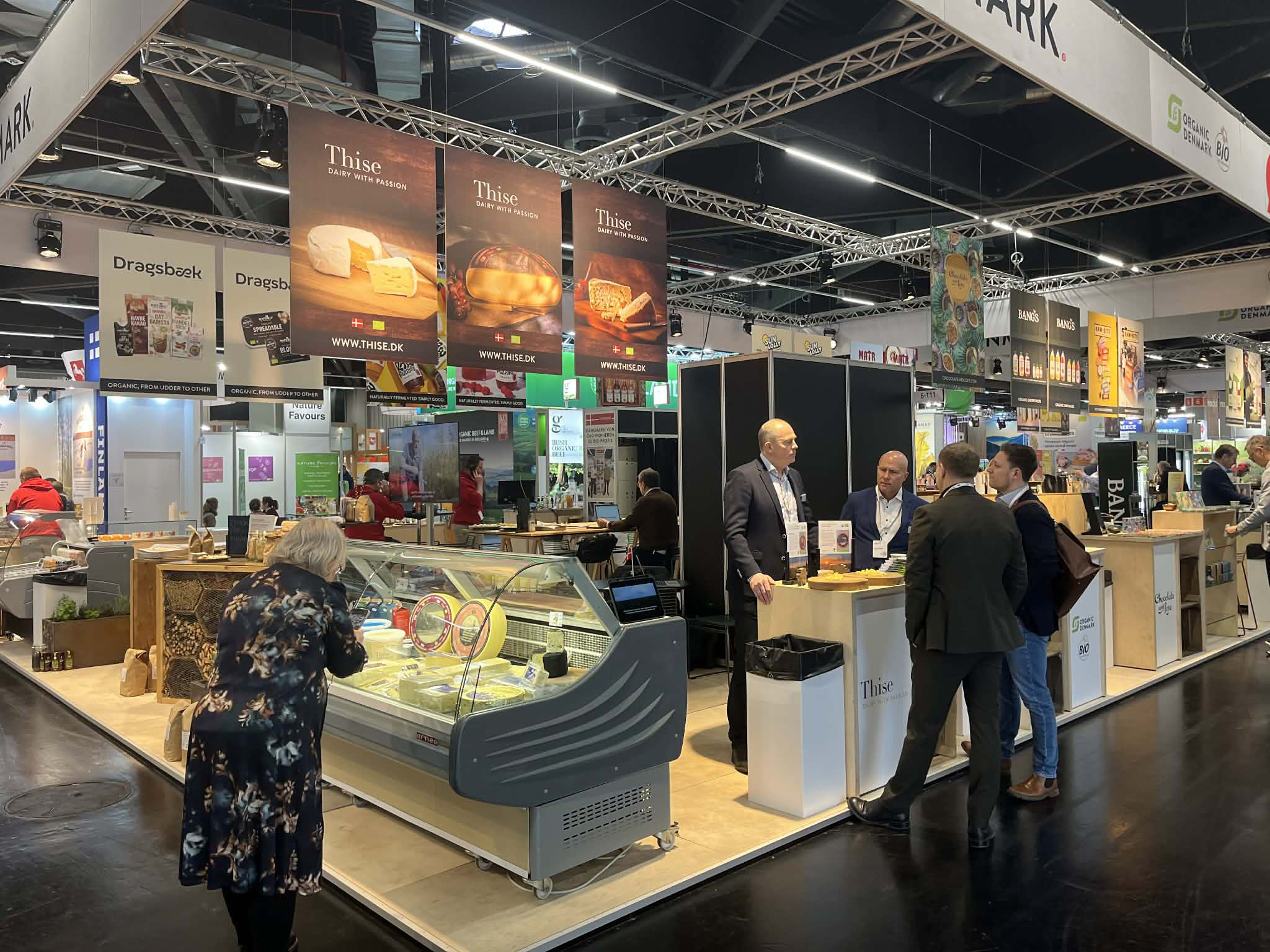
Along the outer aisles, the companies’ counters are positioned as individual shop windows facing the exhibition space.
The layout provides both individual visibility and a shared identity: companies stand out in their own right, yet within a common framework.
A Scandinavian expression without unnecessary layers
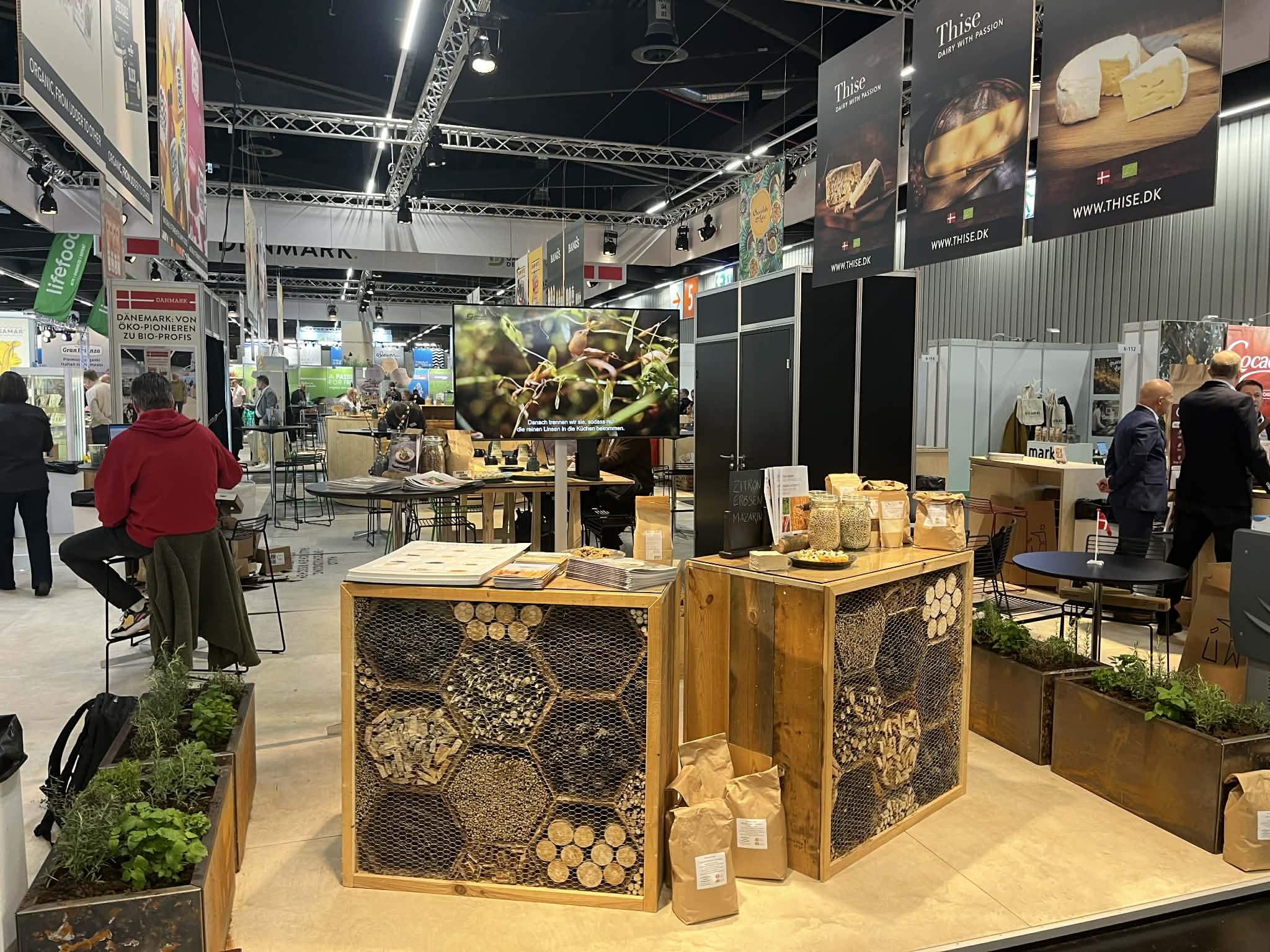
The pavilion is designed with light timber, simple surfaces and clear materiality. The space is calm and easy to navigate, ensuring that the focus remains on products and dialogue.
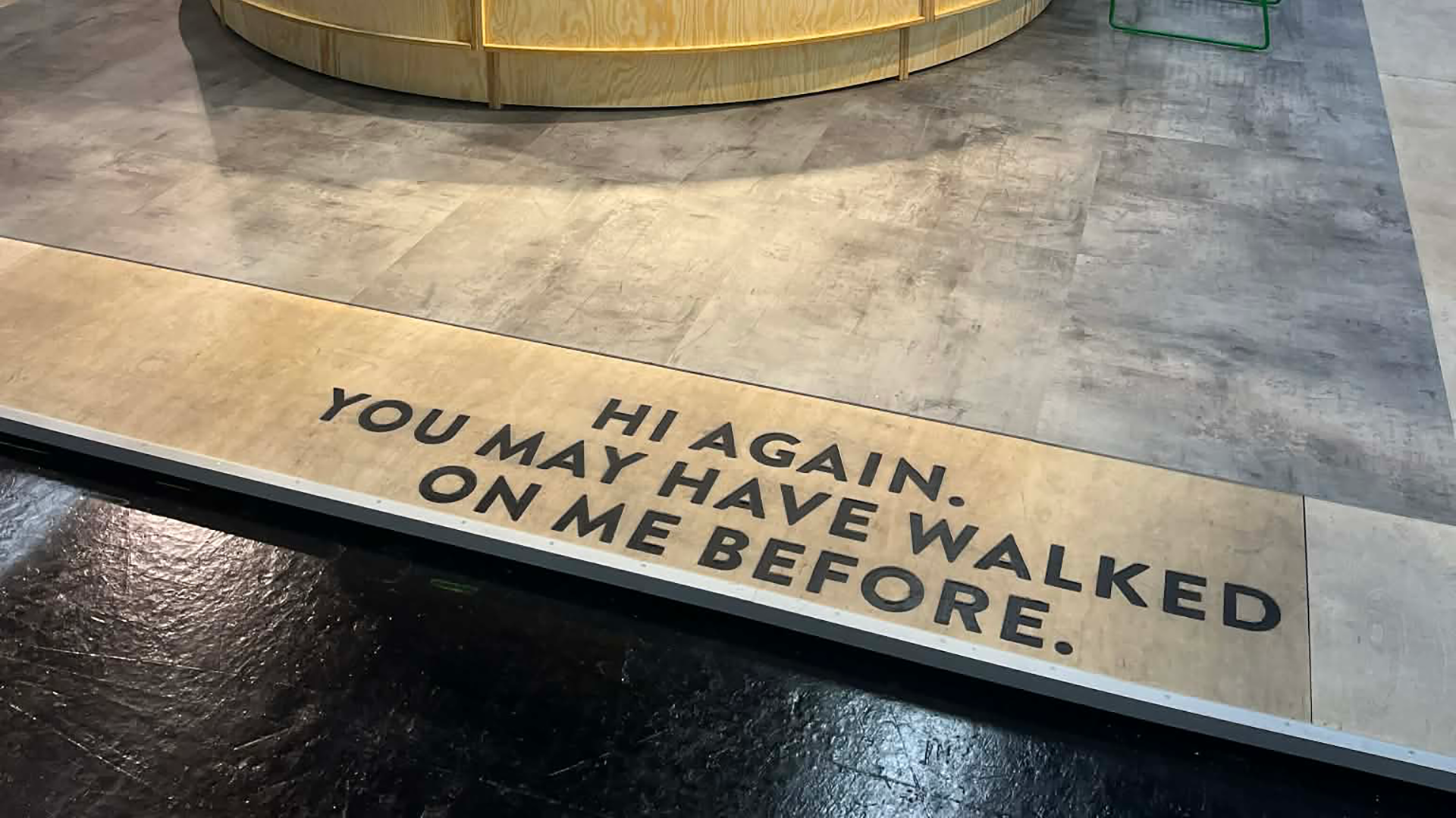
The floor consists of untreated birch plywood panels, one of which carries the text:
“You may have walked on me before”
The panel is reused from fair to fair and serves as a concrete example of circularity.
Built to be used again and again and....
Scanex has constructed the Danish joint pavilion since 2008. The pavilion has been developed as a long-term concept rather than a one-off structure.
- Elements are reused between fairs
- Components are repaired rather than replaced
- No surface treatments are applied
- Materials are selected with longevity in mind
All decisions are made with consideration for resource consumption and recyclability. Instead of explaining sustainability, the pavilion demonstrates it through its construction.
The Sustainable Development Goals in Practice
Organic Denmark and Bio Aus Dänemark require the pavilion to support relevant goals from the United Nations’ 17 Sustainable Development Goals:
No. 6 – Clean Water and Sanitation
Avoidance of lacquer and chemical treatments, as well as carpets with high water consumption in their production.
No. 7 – Affordable and Clean Energy
A long lifespan reduces the need for new production, and electricity at the trade fair is sourced from renewable energy.
No. 8 – Decent Work and Economic Growth
Construction is carried out by skilled local labour from the Nuremberg area.
No. 12 – Responsible Consumption and Production
Materials remain in continuous circulation through reuse and repair.
FAQ
-
What is the purpose of the Danish joint pavilion at Biofach?
The purpose is twofold:
- To promote export opportunities for Danish organic companies
- To position Denmark as a frontrunner in organic production
-
How is the pavilion organised?
The pavilion is structured around a central aisle with a shared area for meetings and dialogue.
Individual company counters are positioned along the outer aisles, providing both individual visibility and a unified identity.
-
How does the pavilion work with circularity?
The pavilion has been developed as a long-term concept since 2008 and is designed for repeated use.
Measures include:
- Reuse of elements from fair to fair
- Repair rather than replacement
- No surface treatments
- Materials selected for long lifespan
Looking for inspiration for your next exhibition stand?
Complete the form and we will get in touch with you.